

Denim Tears Pants and Sweatpants: Sizing, Fit, and Fabric
There is one plain reason sizing goes wrong — labels are marketing, measurements are engineering. Put two garments marked large side by side and they can differ by four inches at the waistband and three at the hem, yet neither is defective. Written the way a tailor would approach it, this guide starts from the cloth and works outward to the numbers worth checking before you commit. It covers the fleece sweatpants, the twill and cotton trousers, and the denim that made the label famous after Tremaine Emory launched it in 2019. Everything monetary here is a 2026 market estimate expressed as a range, never a fixed quote, because retail and secondary pricing move independently. Read it with a tape measure nearby, because the point is to replace guesswork with two or three figures.
Part One: The Cloth
Fit is settled by fabric before anyone reaches for a tape, and that is why it opens the discussion. A heavy fleece and a light twill cut to one pattern hang on the body in visibly different ways. Weight is also the best predictor of how a pair ages, how much it shrinks, and how forgiving it is between sizes. The same holds for tops: a denim hoodie and a fleece one in the same size never feel alike. The near-total use of cotton at Denim Tears is a deliberate choice, not a sourcing convenience. The three sections below cover the material families you will actually encounter across the bottoms in the line.
Loopback Cotton and Fleece
Sweatpants at this price are built from either brushed fleece or loopback French terry, and the two behave very differently. The napped interior of brushed fleece traps air, so it holds heat well, feels soft immediately and gains bulk after a few washes. With its loops left exposed inside, loopback terry is lighter, more breathable and more likely to drape than to stand away from the leg. Expect heavyweight streetwear fleece at 380 to 480 grams per square metre, with mid-weight terry denim tears t shirt closer to 280 to 340 grams. Heavier cloth resists the sag that ruins cheap sweatpants, but restricts movement at knee and seat. If a listing quotes no weight, judge from photographs of the cuff and waistband, since dense ribbing accompanies dense body fabric.
Denim, Twill and Woven Bottoms
A different logic governs the woven side, since denim changes with wear in a way fleece does not. Denim in the mid-weight band at 12 to 14.5 ounces per square yard is standard for a five-pocket jean and heavy enough to fade honestly over a year or two. Around 10 to 11 ounces, lighter denim breaks in faster; above 15 ounces, a pair takes months to soften. Cotton twill behaves more predictably, holding colour and measurements with far less shrinkage or stretch. Screen prints on woven cloth crack more visibly than the same print on jersey, which some buyers actively want. The difference matters: sanforised fabric is pre-shrunk and moves perhaps one percent after washing, but unsanforised raw denim moves three to five percent, an entire size in practice.
What the Cotton Wreath Adds to the Cloth
It is worth understanding the wreath motif rather than reading it as decoration — it is the reason most people buy these pieces. At the centre of the brand Emory built is a reference to the history of cotton, the transatlantic slave trade and African-American experience, and it runs through the entire catalogue. Printing it on cotton is the deliberate point, which is why the motif reads differently on a cotton jean than it would on a synthetic shell. Practically, an all-over print adds slight stiffness to the panel it covers, most noticeable on lighter fabrics in the first few wears. Washing relaxes that stiffness, and it is not a defect in the garment. Heavy print coverage also makes tumble drying riskier, because heat accelerates cracking on any screen print.
Part Two: Working with the Numbers
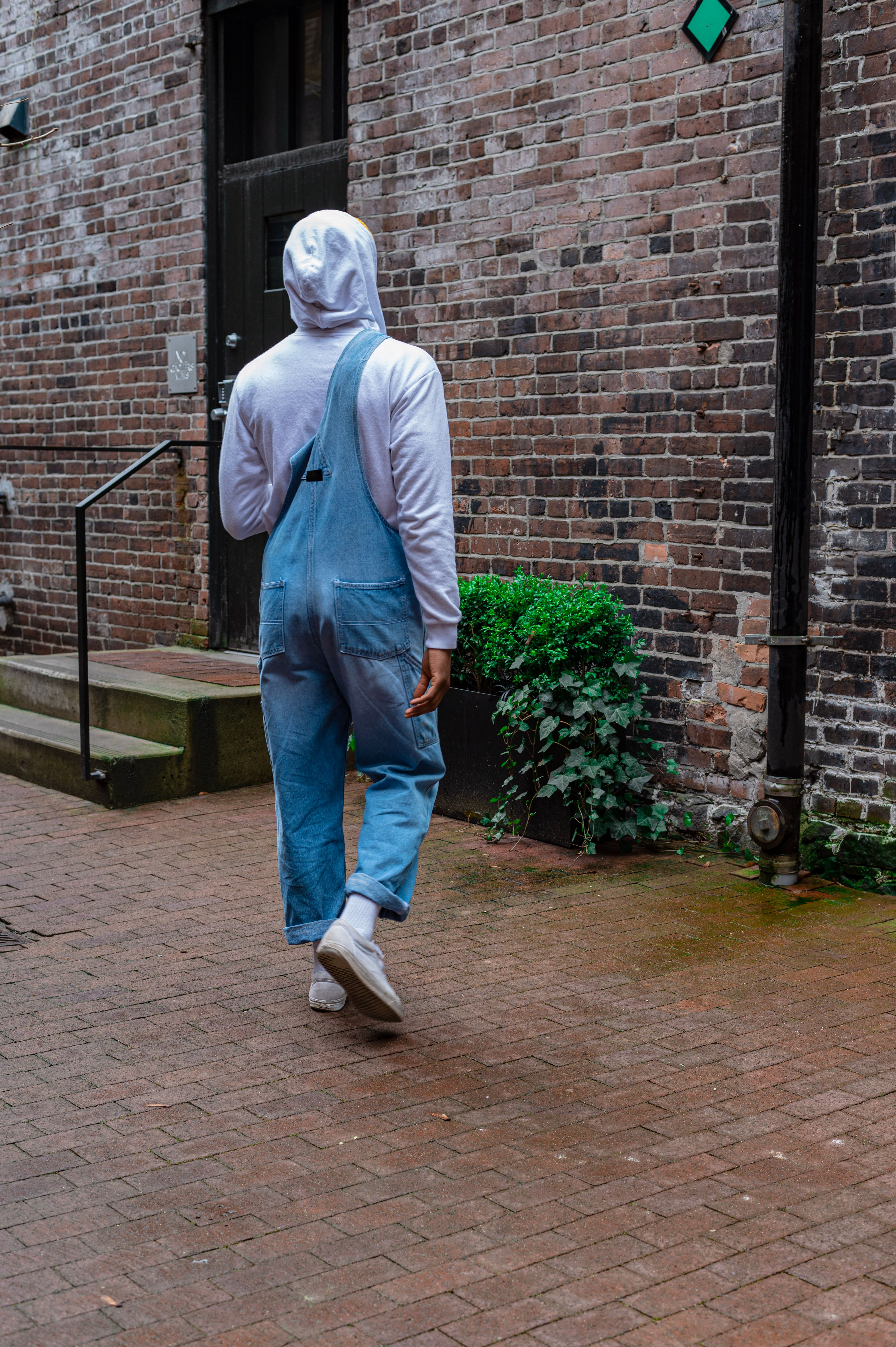
What follows assumes a pair you already own, laid flat with the seams straight and no bunching. Across the waistband from edge to edge, then doubled, gives you the waist. Both start at the crotch seam: inseam runs down the inner leg to the hem, and front rise runs up to the top of the waistband. Take the leg opening across the hem, then double — no other figure does more to decide whether a pair reads as tapered, straight or wide. The numbers below are approximate conventions for oversized streetwear bottoms, not official specifications for any one release. Fit changes from drop to drop, and between fleece and woven, so the seller’s own figures should always be checked.
| Labelled Size | Flat Waist Relaxed (in) | Typical Inseam (in) | Hem Opening (in) | 2026 Estimate (USD) |
|---|---|---|---|---|
| S | 28–31 | 29–30 | 15–16 | $250–$350 |
| M | 30–33 | 30–31 | 16–17 | $250–$350 |
| L | 32–36 | 31–32 | 17–18 | $250–$350 |
| X-Large | 35–39 | 32–33 | 18–19 | $260–$360 |
| Denim, five-pocket cut | Tagged waist, little stretch | 32–34 prior to hemming | 16–19 by cut | $300–$500 |
How to Take the Measurements in Five Minutes
Reading a size chart takes longer than the routine below, and it tells you more. The aim is to describe a fit you have already proven, so work from a pair you wear and like rather than one you merely tolerate. Rigid metal tapes lift off the cloth and read long, so use a soft tailor’s tape. Use a hard, flat surface — a bed or carpet lets the fabric sink and distorts every figure. Nearly every buyer-seller disagreement rests on relaxed versus stretched, so record each number to the nearest half inch and note which it was. Do it twice on your first pair: if the two attempts differ by more than half an inch, the tape wandered and a third pass settles it.
- Take a pair that fits well, lay it flat, smooth the waistband, and let the legs fall naturally with no stretching of the fabric.
- Take the waist edge to edge, double it, and write it down before you forget.
- Keeping the tape flat against the cloth, measure the inseam from the crotch seam to the hem along the inner leg.
- Measure the front rise from the crotch seam to the top of the waistband, since this figure decides where the pair actually sits on you.
- Take the hem opening, double it, and check it against the leg opening column above.
- Ask the seller to confirm the same four figures on the pair you are considering, after sending yours.
Part Three: Fleece or Woven
The decision comes down to how you intend to wear the pair, not which looks better on a hanger. As a first purchase, fleece denim tear pants are safer: comfort and volume arrive immediately and there is essentially no break-in period. Patience is required for Denim Tears jeans, because a raw or lightly washed pair takes weeks of wear before it moves with you. Fleece also forgives sizing errors more readily because an elasticated or drawcord waist absorbs an inch or two in either direction. A five-pocket jean does not forgive anything, so the tagged waist has to be right or the pair goes back. If you already own a denim tears hoodie, matching the bottom to its weight keeps proportions sensible, since heavy fleece over thin twill looks unbalanced.
Part Four: Washing and Care
The majority of post-purchase fit complaints are really laundry problems dressed up as sizing problems. Cold water, inside out, gentle cycle — that protects both the printed panel and the elasticated components. Leave the tumble dryer alone where you can, since sustained heat shrinks cotton, hardens elastic and cracks screen prints. Drying flat stops the waistband stretching under the weight of wet fleece, and that stretch is permanent once it happens. Wash denim rarely and spot-clean between washes if you want the fading to develop with any character at all. Treat a denim tear shirt the same way, since heat and hanging damage knits and wovens alike. Store bottoms folded rather than hung, since gravity distorts any heavy garment left on a hanger for months.
The Short Version
Let measurements, not the label, decide the purchase, and get four numbers before money changes hands. Anything lighter is a comfort choice, not a durable one: expect fleece at 380 to 480 grams and denim between 12 and 14.5 ounces. As 2026 market estimates, budget roughly $250 to $350 for sweatpants and $300 to $500 for jeans, though specific releases and collaborations sit outside those bands. The answer is always the seller’s actual figures — the sizing conventions above are just an opening guess. Buy this year and the fit should hold for several years, provided the cloth is cared for properly. Searching denimtears listings without a tape measure is how most people end up reselling a good pair at a loss.
برای پسندیدن ابتدا وارد شوید